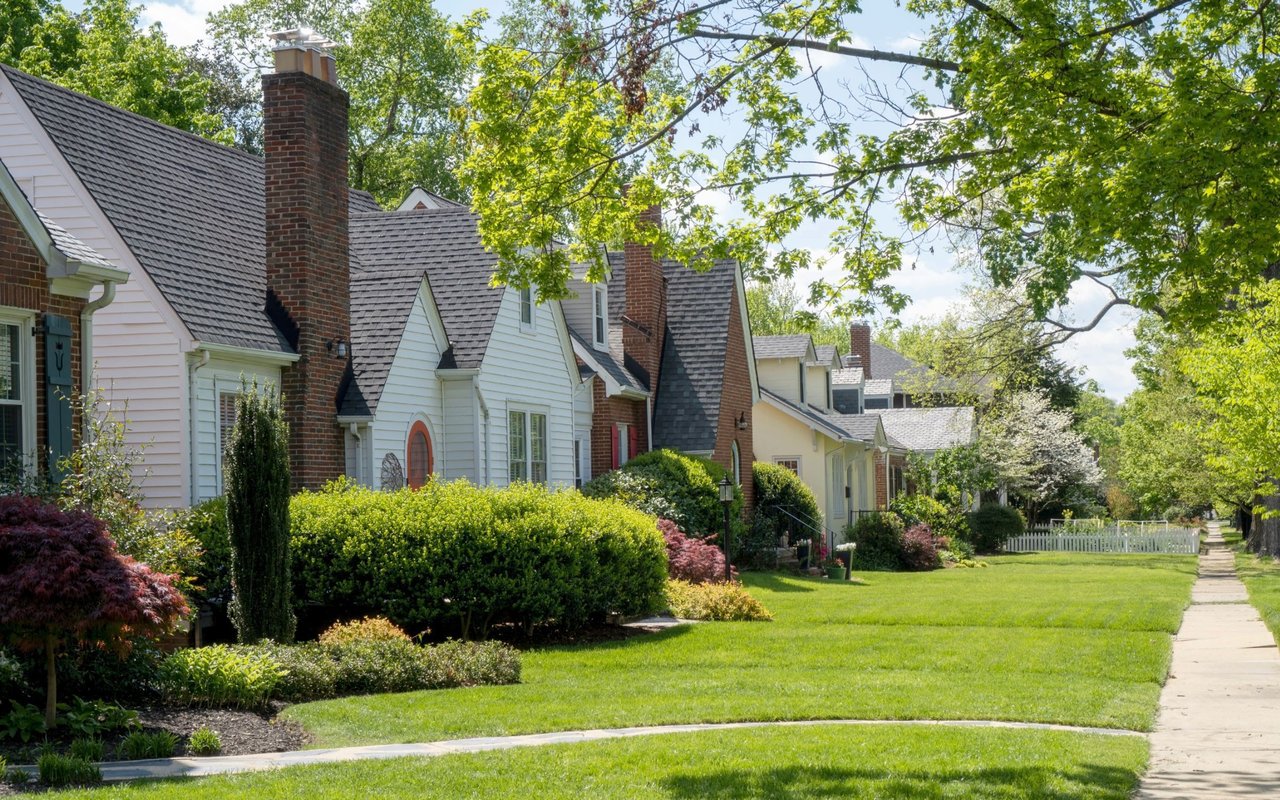
Tree-lined streets, gracious early 20th-century homes and a neighborhood square where people still meet friends for ice cream on summer nights: Hyde Park has a way of feeling timeless. It's one of the most sought-after neighborhoods in Cincinnati, and one I'm asked about constantly.
As a Global Real Estate Advisor with Robinson Sotheby's International Realty who helps clients buy and sell in Hyde Park, here's my guide to what makes the neighborhood special and what to know before you buy.
A Brief History of Hyde Park
Hyde Park was first settled in 1795 and spent its first century as an area of large estates and farms. Beginning in 1892, it was developed as an upscale community for people who wanted a suburban lifestyle within reach of the city. The village of Hyde Park incorporated in 1896.
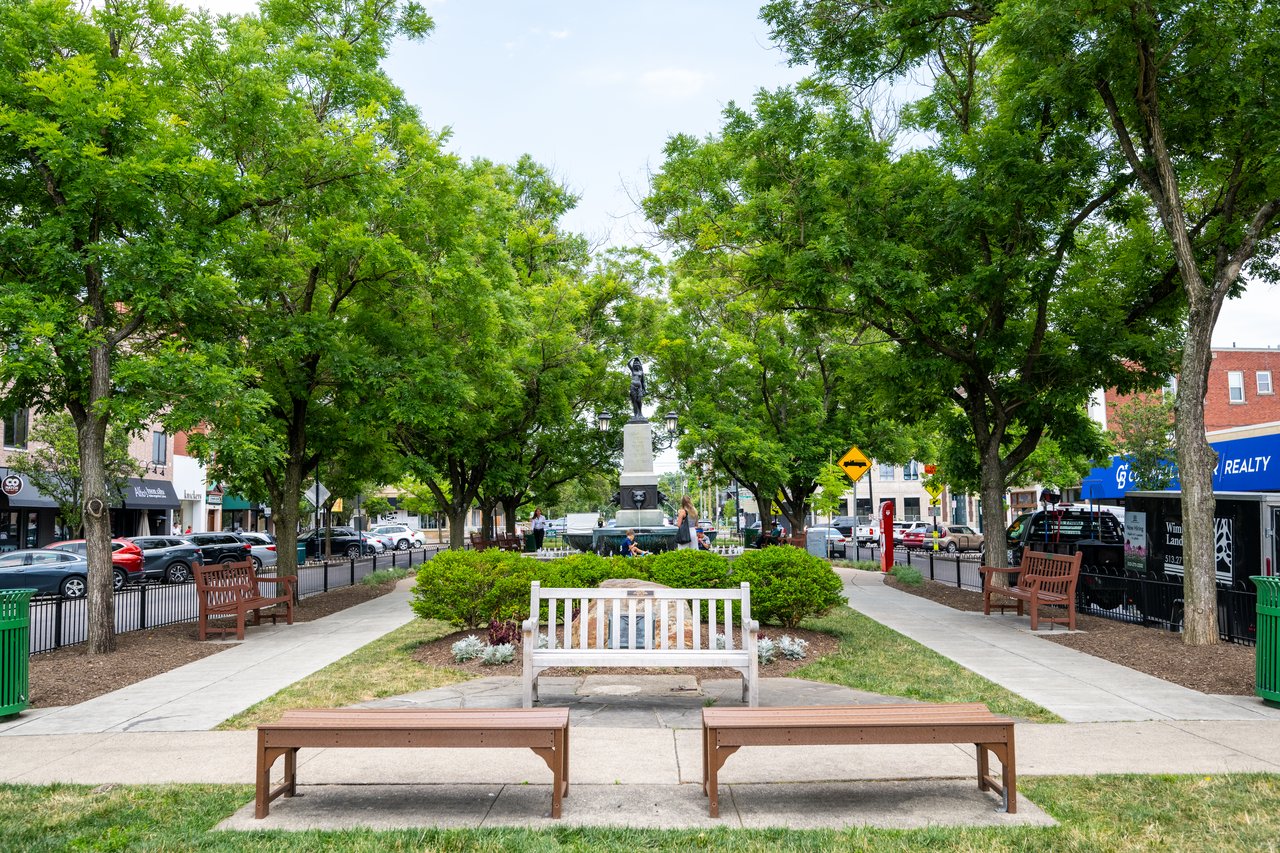
In 1900, brothers Charles and John Kilgour donated the bronze Kilgour Fountain that still anchors Hyde Park Square. Cincinnati annexed the western portion of Hyde Park in November 1903 and the eastern portion in 1909, and a real estate and population boom followed almost immediately. Many of the homes that define the neighborhood today were built in the decades that followed.
Hyde Park Square: The Heart of the Neighborhood
Hyde Park Square, along Erie Avenue at Edwards Road, is the neighborhood's living room. A small green park sits at its center, with the Kilgour Fountain as its centerpiece, surrounded by family-owned shops, boutiques, restaurants and galleries. Graeter's Ice Cream has been on the Square since 1938, a local tradition for generations.
Life in Hyde Park is walkable and social. Neighbors stroll to dinner on the Square, meet for coffee, and walk their dogs along wide sidewalks under mature trees. The neighborhood sits on Cincinnati's east side, a short drive from downtown, with easy access to neighboring Mt. Lookout, Oakley and O'Bryonville.
Part of the neighborhood is also protected history. The Hyde Park Observatory local historic district is overseen by the City of Cincinnati's historic conservation office, and the area around Hyde Park Square has had special zoning since the 1980s to help preserve its character.
The Homes of Hyde Park
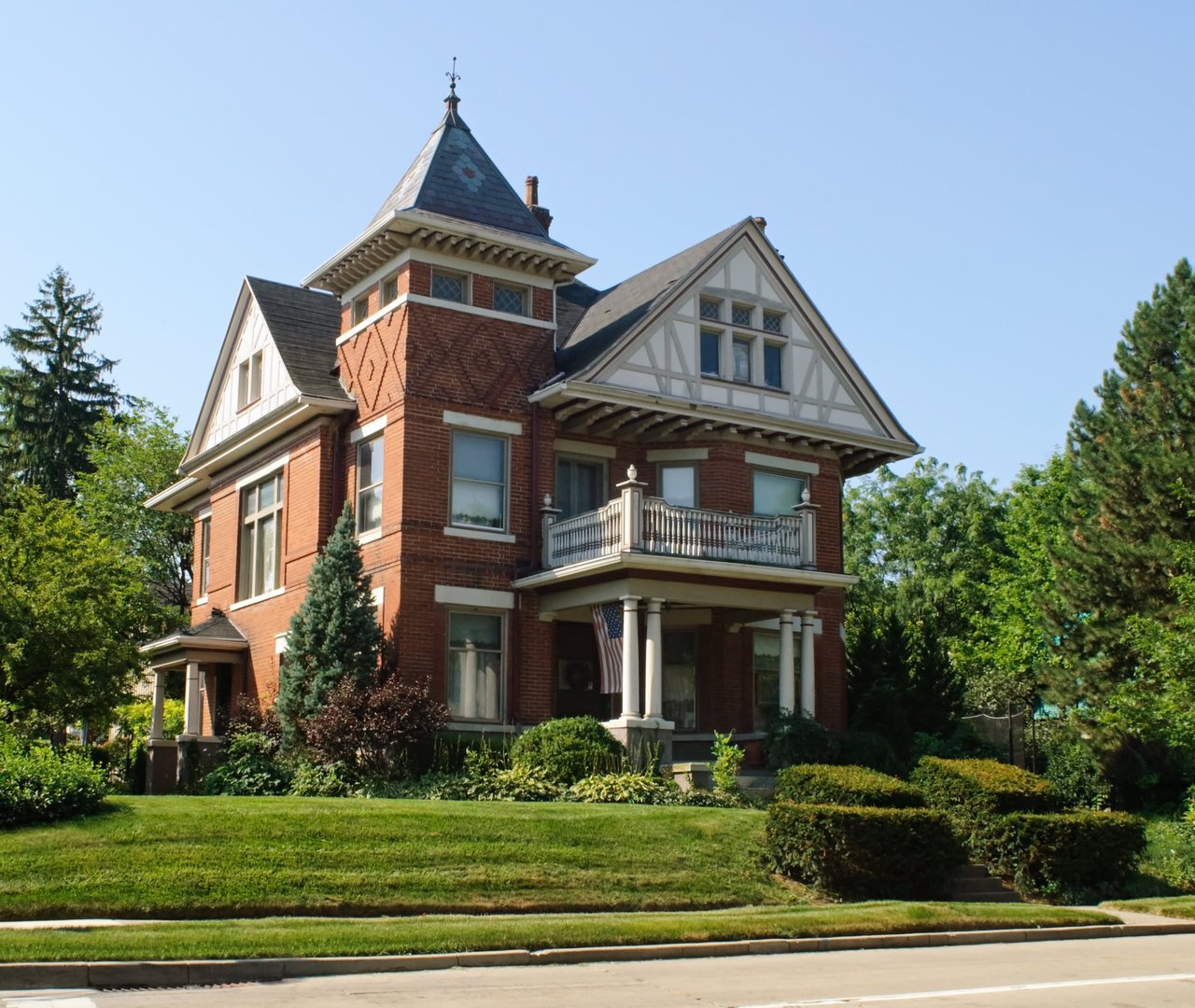
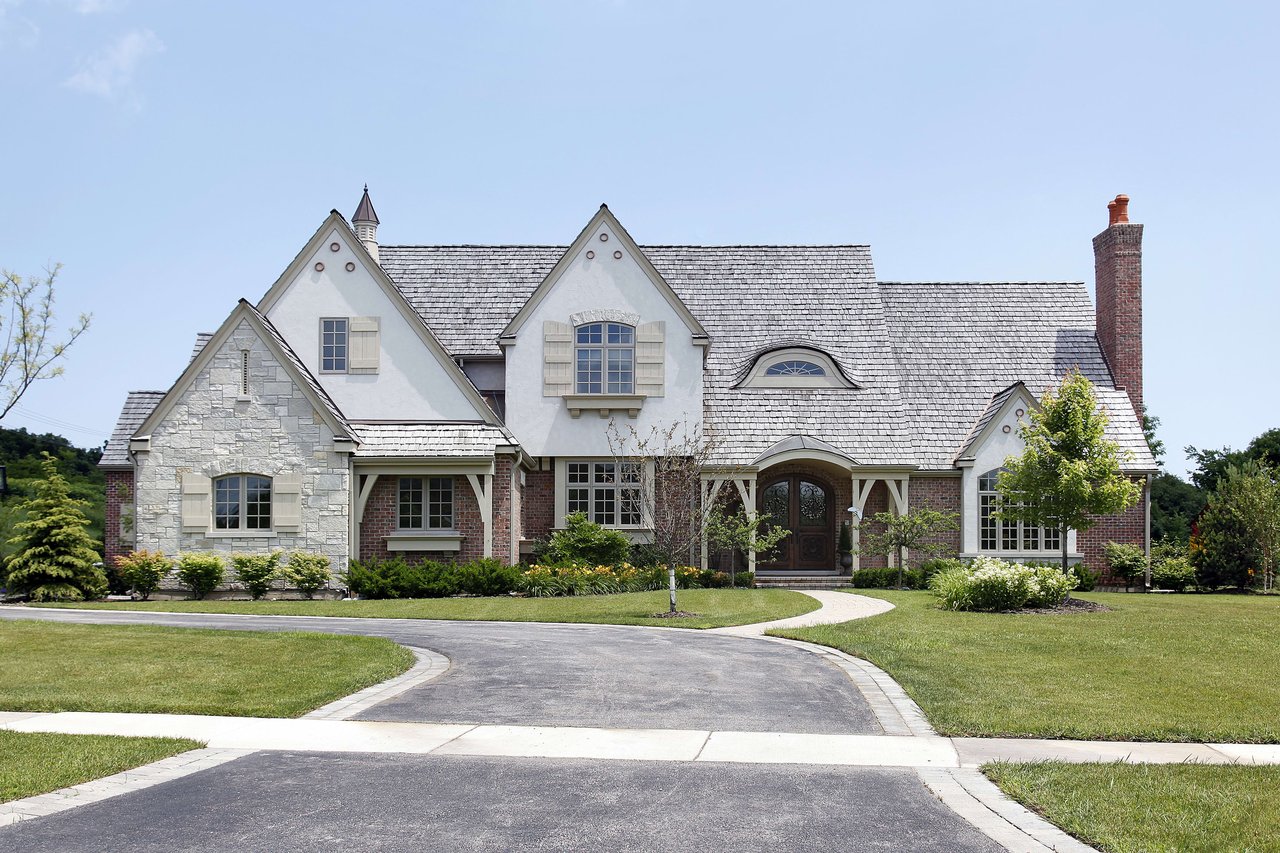
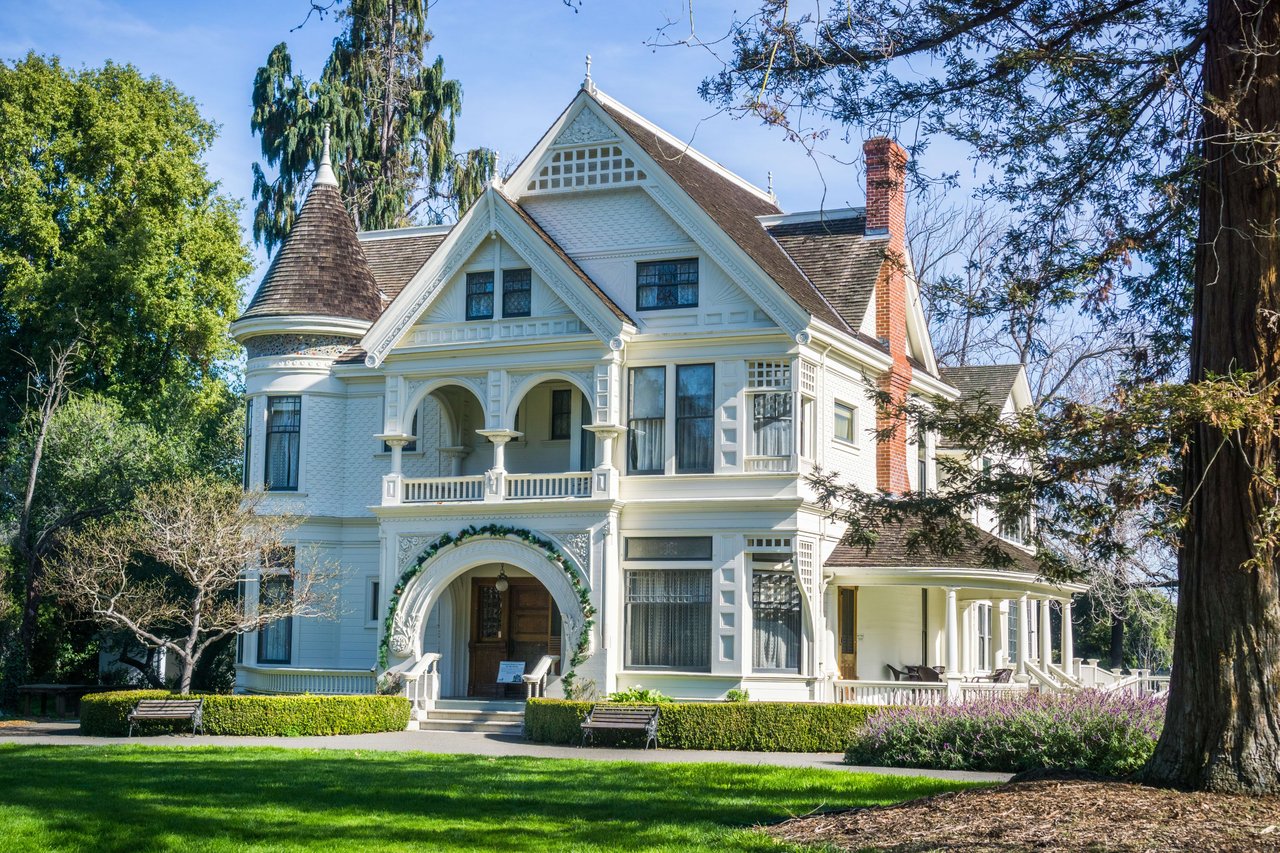
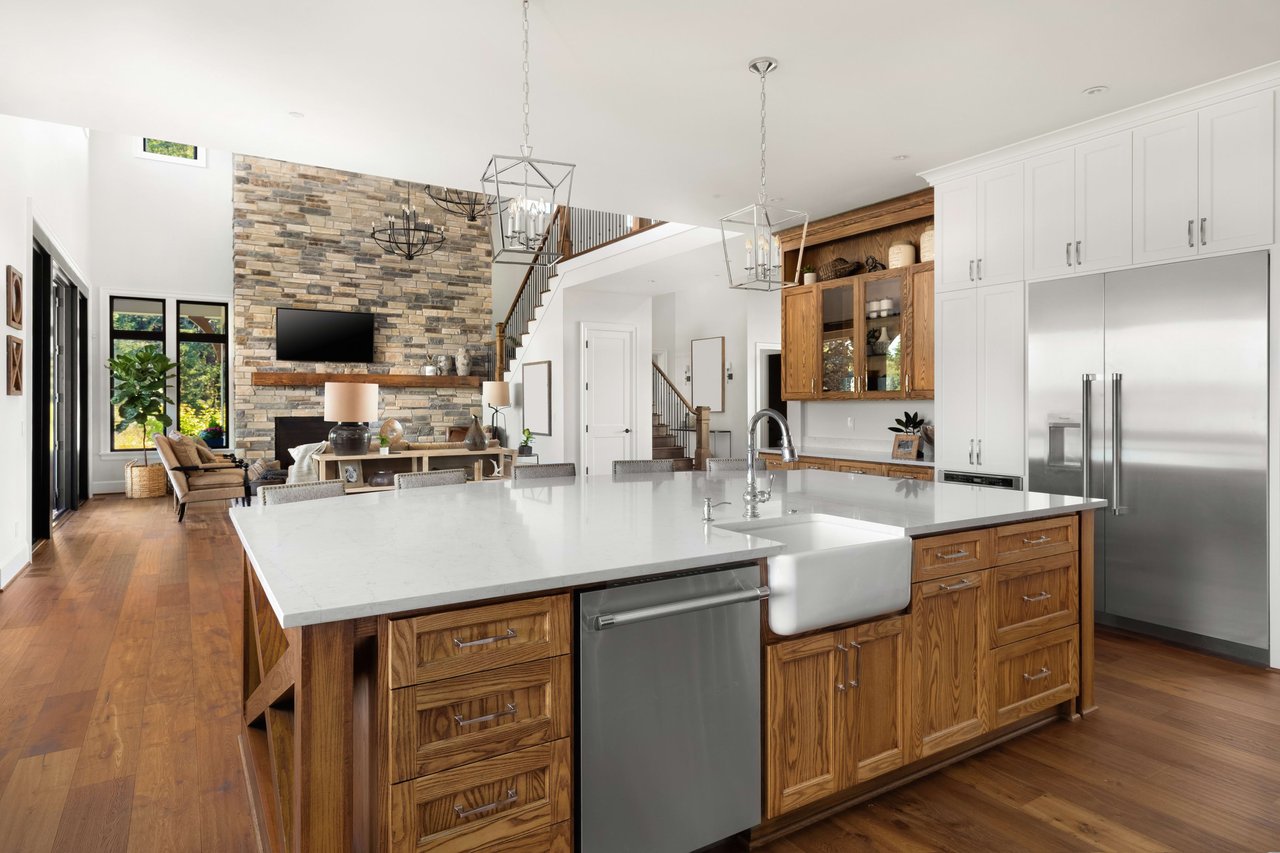
Much of Hyde Park was built during its boom years in the early 20th century, so you'll find a beautiful mix of architectural styles, including Tudor Revival, Colonial Revival, Arts and Crafts and stately brick homes, along with newer construction on select lots. Many homes feature original hardwood floors, leaded glass, fireplaces and generous front porches. If you'd like to learn to identify the styles, my guide to historic home architecture styles is a good place to start.
Well-presented homes in Hyde Park can move very quickly. This summer I represented the sellers of a 1925 Tudor on Saybrook Avenue that sold for 104% of its list price after just one day on the market. With thoughtful preparation and pricing, the right home here draws strong interest.
What to Know Before Buying in Hyde Park
- Be ready to move quickly. The best homes can attract multiple buyers. Get pre-approved and know your must-haves before you start touring.
- Inspect with an older home in mind. Many Hyde Park homes are approaching or past 100 years old. Plan for specialists in roofing, masonry, electrical and plumbing. My post on the hidden costs of buying a historic home covers what to budget for.
- Check for historic district rules. If a home falls within the Hyde Park Observatory local historic district, exterior changes may require review by the City of Cincinnati.
- Look at the micro-location. Walking distance to the Square, street character and lot size all affect daily life and value, sometimes more than square footage.
- Explore nearby neighborhoods too. Mt. Lookout and Oakley sit right next door, and touring a few areas helps you find the homes and setting that fit what you're looking for.
Frequently Asked Questions
What is Hyde Park, Cincinnati known for?
Hyde Park is known for its tree-lined streets, early 20th-century architecture and walkable Hyde Park Square, with its shops, restaurants and the historic Kilgour Fountain.
When was Hyde Park, Cincinnati founded?
Hyde Park was first settled in 1795 and developed as an upscale community starting in 1892. It incorporated as a village in 1896, and Cincinnati annexed it in 1903 (western portion) and 1909 (eastern portion).
What is Hyde Park Square?
Hyde Park Square is the neighborhood's commercial and social center on Erie Avenue, with a small park and the Kilgour Fountain, donated in 1900, surrounded by shops, restaurants and galleries.
What style are homes in Hyde Park?
You'll find Tudor Revival, Colonial Revival, Arts and Crafts and other early 20th-century styles, plus some newer construction.
Do homes in Hyde Park sell quickly?
Well-priced, well-presented homes can sell very quickly. One Hyde Park Tudor I represented this summer sold above asking in a single day.
Thinking About Buying or Selling in Hyde Park?
Whether you're dreaming of a home near the Square or wondering what your Hyde Park home is worth, I'd love to help. I'm Alexis Galligan, a Global Real Estate Advisor with Robinson Sotheby's International Realty, licensed in Ohio and Kentucky and focused on the region's most distinctive homes.
Exploring more historic neighborhoods? Read my guide to Columbia Tusculum, Cincinnati's oldest neighborhood.
Let's connect for a no-pressure conversation over coffee.