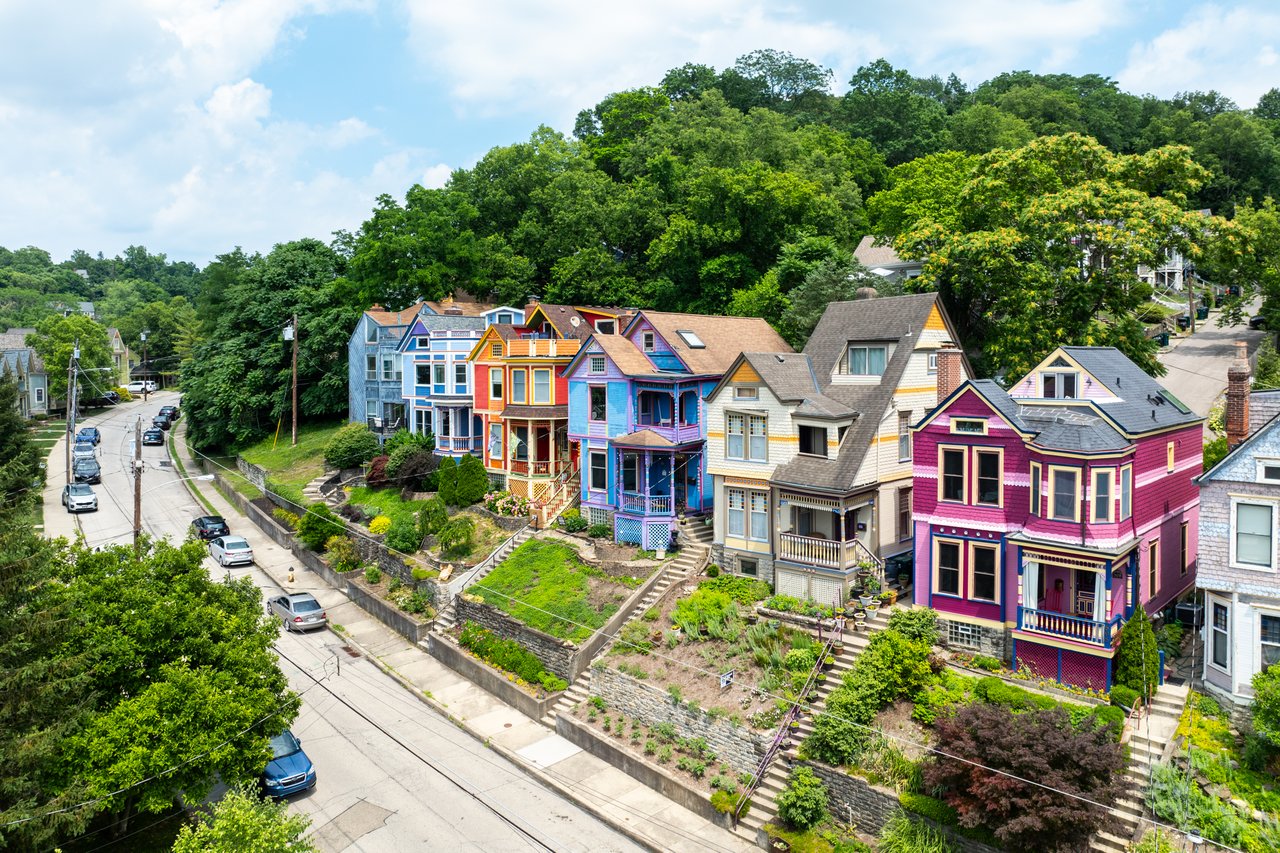
If you've ever driven up Tusculum Avenue in October, you know the moment. The trees on the hillside turn red and gold, and a row of Victorian homes painted violet, blush pink, sky blue and tangerine comes into view. It feels like a street that wandered over from San Francisco.
This is Columbia Tusculum, Cincinnati's oldest neighborhood. As a Real Estate Advisor who specializes in historic homes across Greater Cincinnati and Northern Kentucky, it's one of the places I'm asked about most. Here's what makes it special, and what to know if you're thinking about owning a piece of it.
A Neighborhood Older Than the City Itself
Columbia was founded in November 1788 near the mouth of the Little Miami River, one month before the settlement of Losantiville, which later became Cincinnati. In other words, this neighborhood is technically older than the city it now belongs to.
Columbia stood on its own until Cincinnati annexed it in 1871, and neighboring Tusculum followed in 1875. Today the combined neighborhood of Columbia Tusculum sits about five miles east of downtown, roughly 15 minutes from the urban core.
The Painted Ladies of Ohio
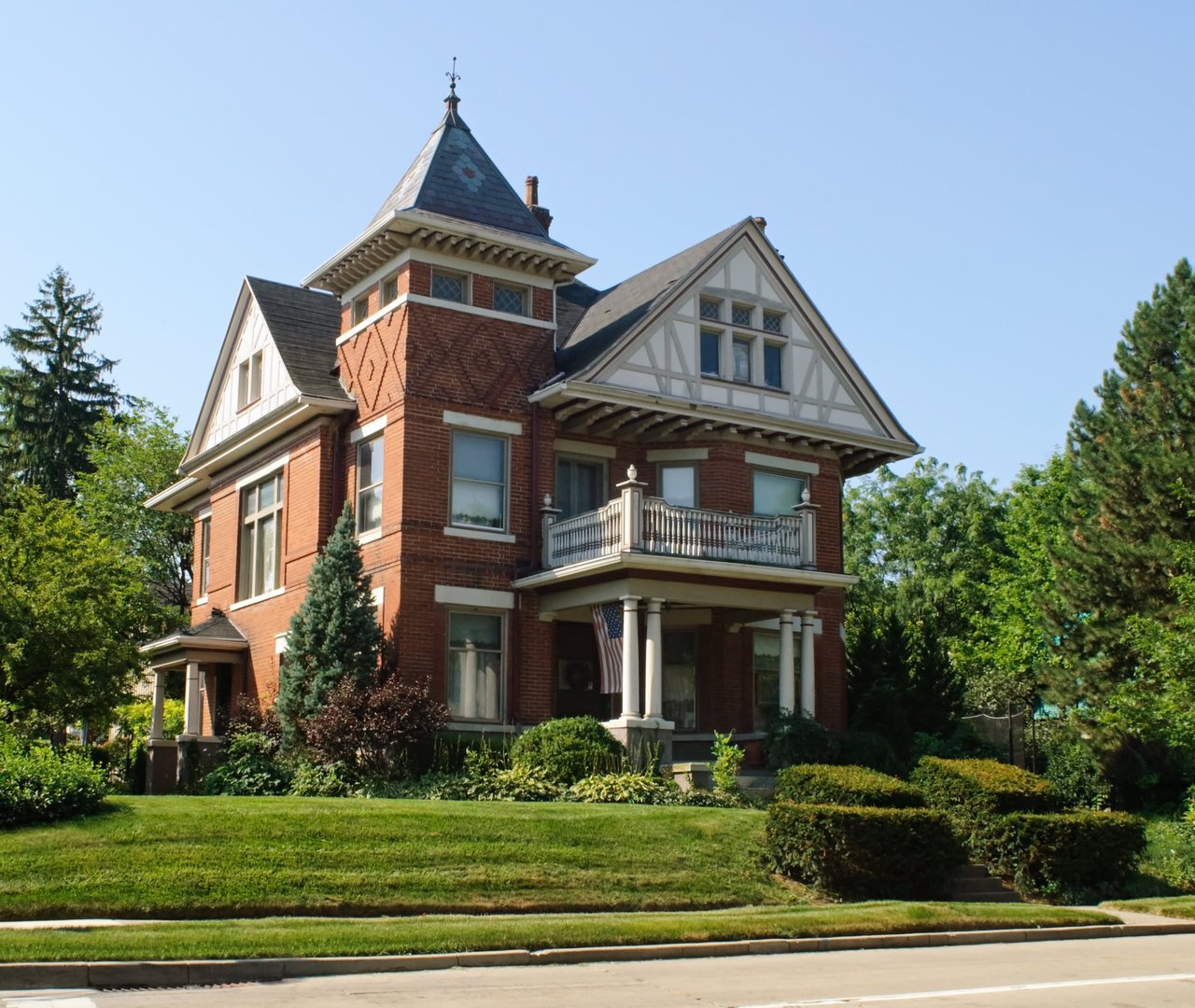
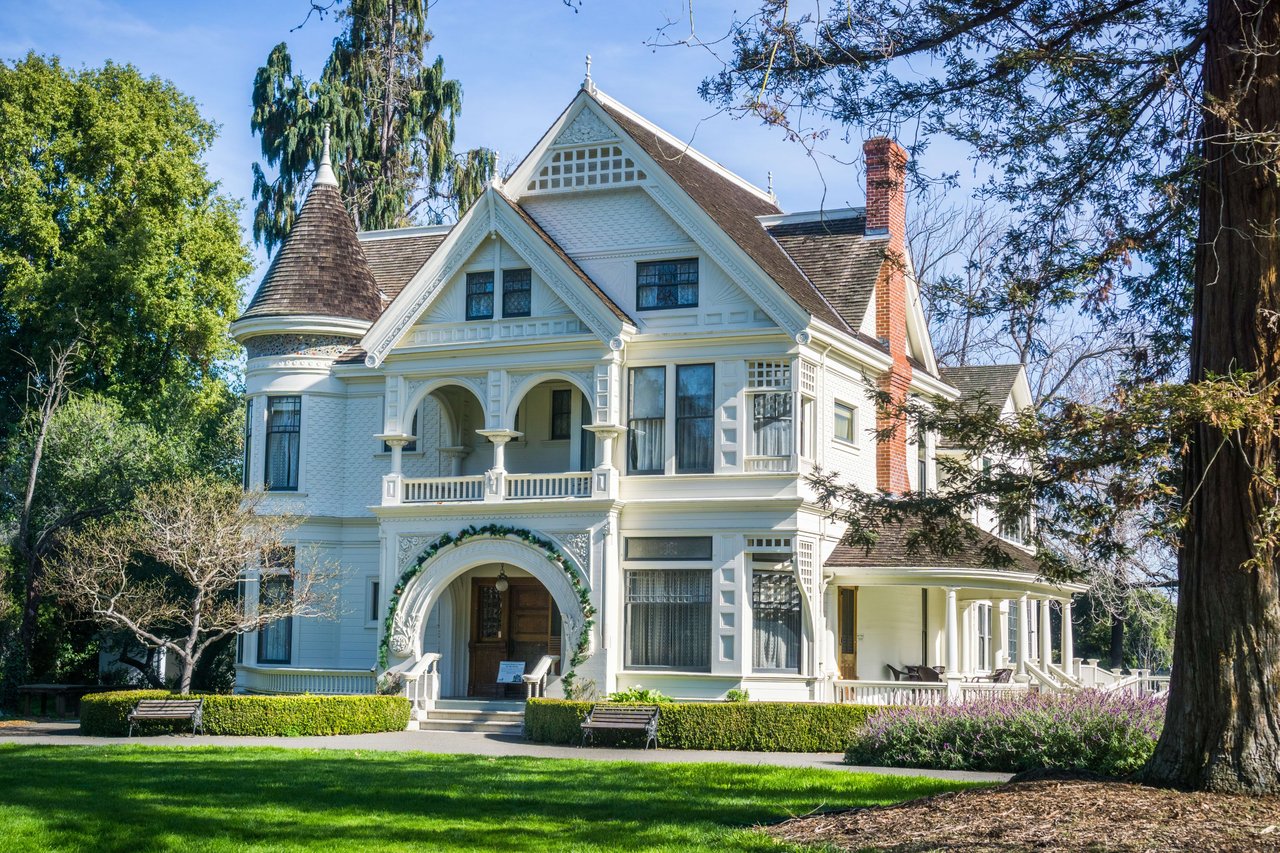
Columbia Tusculum is best known for its Victorian-era homes painted in the "Painted Lady" style: three, four, sometimes five colors chosen to highlight every bracket, shingle and spindle. The most photographed cluster sits near the corner of Tusculum Avenue and Sachem Avenue, where homes from the 1880s and 1890s climb the hillside on terraced lots.
What makes them special isn't just the color. These homes have the craftsmanship most new construction can't replicate: fish-scale shingles, stained-glass transoms, turned porch posts and original woodwork. Owners here tend to be stewards as much as residents, and it shows.
If you want to learn to spot the difference between a Queen Anne and an Italianate on your next drive, my guide to historic home architecture styles is a good place to start.
What It's Like to Own a Home Here
The housing mix is wider than the postcards suggest. Alongside the 19th-century Victorians, you'll find modest older cottages and a wave of newer homes built to fit the hillside setting. That range means there are entry points for first-time buyers as well as for collectors of one-of-a-kind homes.
The neighborhood also has character beyond its houses. One of its best-known landmarks is Precinct, a steakhouse in the restored Police Station No. 6, and the area is an easy drive to Lunken Airport, Ault Park and the Little Miami trails.
Buying a historic home here is a joy, but it rewards preparation. A few things I walk every buyer through:
- Inspections that go deeper. Plan for specialists in roofing, masonry, foundations and older electrical and plumbing systems, not just a general inspection.
- Historic district rules. Parts of the neighborhood fall within a designated historic district, so check whether exterior changes like windows, siding or paint need review before you plan them.
- Hillside lots. Terraced yards, retaining walls and long stairways are part of the charm and part of the maintenance budget.
For a fuller list, read The Hidden Costs of Buying a Historic Home.
What This Fall's Market Means for Historic Homes
The Cincinnati market hasn't slowed down so much as calmed down. According to our September 2026 regional market review, roughly as many homes sold as last September, even with mortgage rates about half a point higher than a year ago. The difference is choice: there are about 15% more homes for sale, and half of all homes still sold in about two weeks.
For historic homes, that shift cuts both ways:
- Buyers finally have room to breathe. There's time to tour, compare and bring in the right inspectors without a bidding war forcing your hand.
- Sellers need to lead with preparation and story. A historic home priced and presented thoughtfully still moves quickly; one priced a little high is easier for buyers to pass by.
Unique homes rarely fit neatly into average-price comparisons. That's where a careful pricing strategy and a marketing plan built around the home's story make the biggest difference.
Frequently Asked Questions
What is the oldest neighborhood in Cincinnati?
Columbia Tusculum is Cincinnati's oldest neighborhood. Columbia was founded in November 1788, one month before Losantiville, the settlement that became Cincinnati.
Where are the Painted Ladies in Cincinnati?
Cincinnati's best-known Painted Ladies are in Columbia Tusculum, clustered near Tusculum Avenue and Sachem Avenue on the city's east side, about five miles from downtown.
Is Columbia Tusculum a good place to buy a home?
It's a strong fit for buyers who value history, architecture and character. The neighborhood offers restored Victorians, older cottages and newer homes, with quick access to downtown. Older homes do need deeper inspections and a realistic maintenance budget.
What should I know before buying a historic home in Cincinnati?
Budget for specialized inspections, check whether the home sits in a historic district with exterior design review, and plan for older systems such as plumbing, electrical and masonry. Working with an advisor who knows historic homes helps you price and negotiate with confidence.
Thinking About a Historic Home?
Whether you're dreaming of a Painted Lady of your own or wondering what your historic home is worth in this market, I'd love to help. I'm Alexis Galligan, a Real Estate Advisor with Robinson Sotheby's International Realty, licensed in Ohio and Kentucky and focused on the region's most distinctive homes.
Let's connect for a no-pressure conversation over coffee.