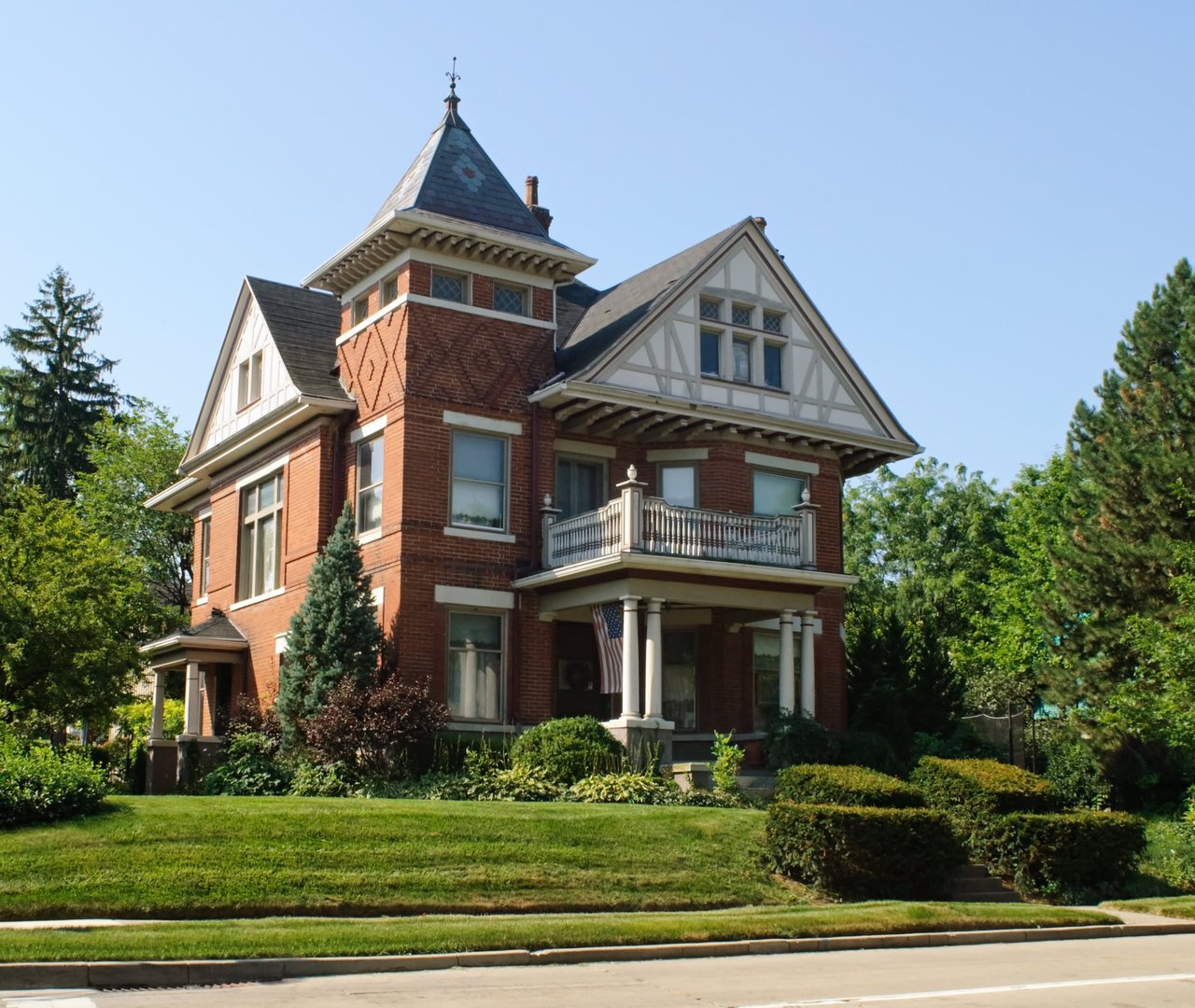
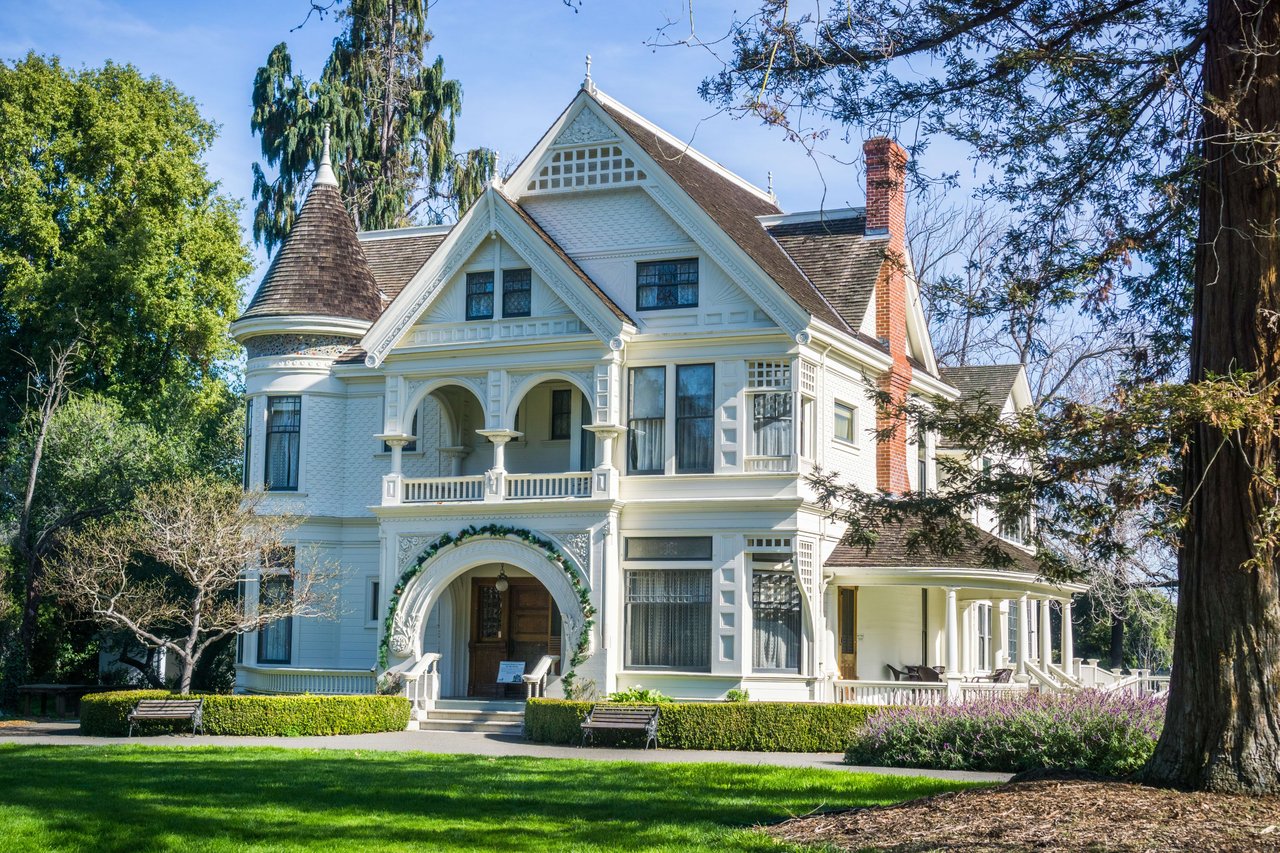
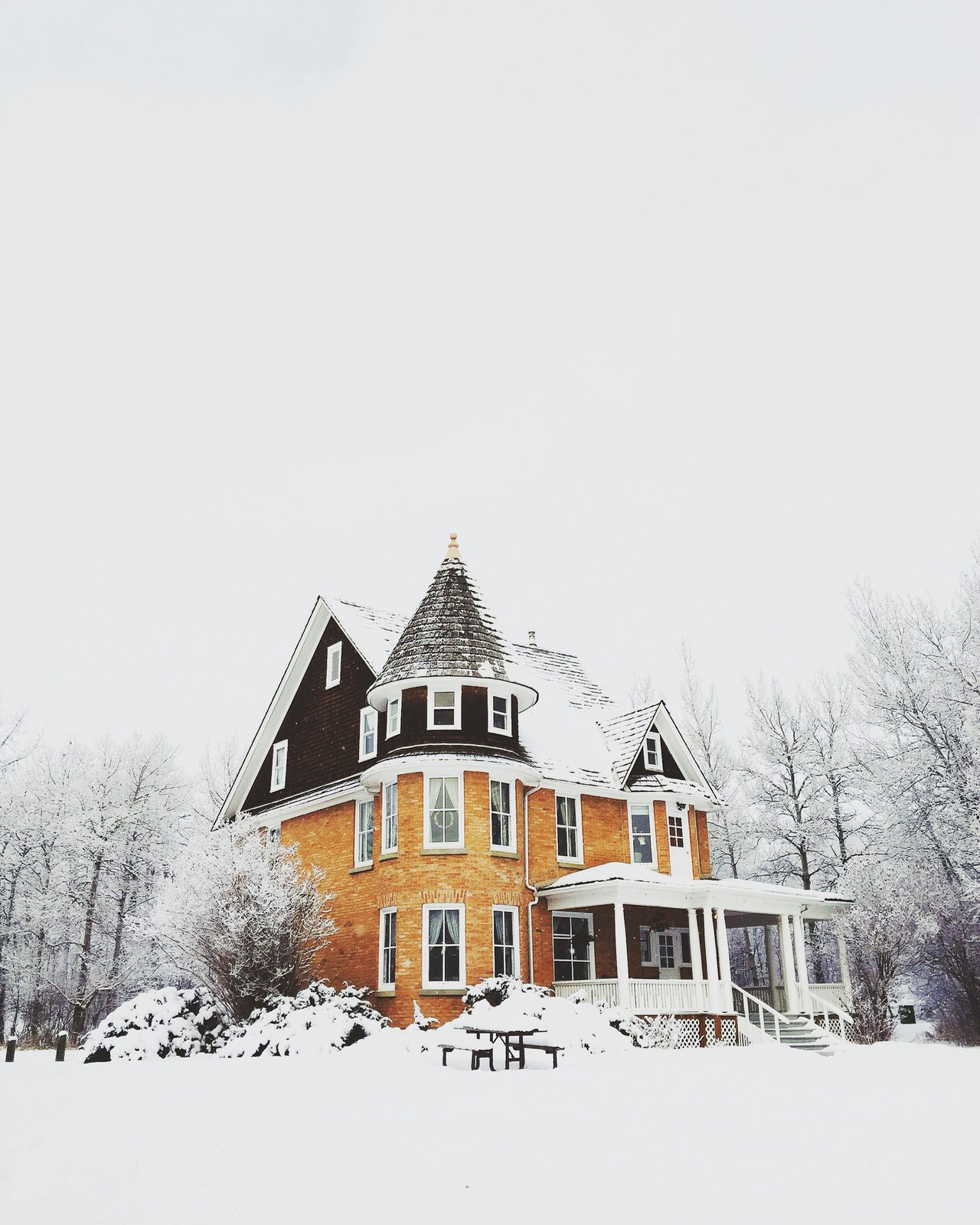
There's nothing quite like a historic home in winter: radiators ticking, a fire in an original mantel, snow settling on a slate roof. But the same features that make these homes beautiful also make them more sensitive to the cold. Single-pane windows, century-old plumbing, stone foundations and ornate trim all need a little extra attention before temperatures drop.
In Cincinnati, that moment comes earlier than many people expect. Over the past 30 years, the average first frost has arrived around mid-October, and the National Weather Service has recorded a freezing temperature in Cincinnati as early as September 28. If you haven't started your winter prep yet, now is the time.
As a Real Estate Advisor who works with historic homes across Greater Cincinnati and Northern Kentucky, here's the checklist I share with owners of older homes.
1. Windows and Doors: Keep the Originals, Stop the Drafts
Original wood windows are one of the most valuable features of a historic home, and replacing them is rarely necessary to stay warm. A few targeted fixes go a long way:
- Install or check storm windows. Interior or exterior storms dramatically cut drafts while protecting the original sash and glass.
- Refresh weatherstripping around sashes and exterior doors. Look for daylight around the frame; if you can see it, cold air is getting in.
- Inspect the glazing putty. Cracked or missing putty lets air and water in. A window restoration specialist can reglaze sashes without replacing them.
- Check before you change. If your home sits in a historic district, window replacements often require design review, so repair is usually the better (and easier) path.
2. Heat: Radiators, Boilers and Fireplaces
Many historic homes in Cincinnati and Northern Kentucky still run on boilers and cast-iron radiators, which deliver a wonderfully even heat when they're cared for.
- Service the boiler before the first cold snap, not after. Fall is when HVAC companies book up fast.
- Bleed your radiators if they're cold at the top and warm at the bottom. Trapped air keeps them from heating fully.
- Have chimneys inspected and swept before you light the first fire. Older flues can have cracked liners or loose mortar that aren't visible from the hearth.
- Know which fireplaces actually work. Some original mantels are decorative only, and some fireboxes were converted to gas. Confirm before you use them.
3. The Exterior: Gutters, Roofs, Masonry and Porches
Water is the biggest enemy of an old house in winter, especially when it freezes, thaws and freezes again.
- Clear gutters and downspouts after the leaves fall. On Victorian homes with built-in or box gutters hidden behind ornate trim, a clog can push water straight into the walls.
- Look up at the roof. Slate and older shingle roofs should be checked for cracked or slipped pieces and loose flashing around chimneys and dormers.
- Inspect brick and stone. Gaps in mortar let water in, and freezing water widens them. Historic brick needs a soft, lime-based mortar, so hire a mason who knows older homes; the wrong mortar can damage the brick.
- Prep the porch. Check railings and steps, clear debris from wood floors, and make sure water drains away from the foundation.
4. Plumbing and Basements: Protect What You Can't See
The most expensive winter problems in older homes usually start below the first floor.
- Insulate exposed pipes in basements, crawl spaces and along exterior walls. Older homes often have plumbing runs added over the decades in unexpected places.
- Shut off and drain outdoor spigots, and disconnect garden hoses.
- Know where your main water shutoff is, and make sure it actually turns. In a 100-year-old home, finding it during a burst pipe is too late.
- Watch the stone foundation. Stone and rubble basements are naturally damp. Check that your sump pump works, and keep an eye out for new water after heavy rain or snowmelt.
- Keep the heat on when you travel. Set the thermostat no lower than the mid-50s while you're away for the holidays.
Your Historic Home Winter Checklist
- Storm windows installed and weatherstripping checked
- Boiler or furnace serviced, radiators bled
- Chimney inspected and swept
- Gutters, downspouts and box gutters cleared
- Roof, flashing and masonry checked
- Exposed pipes insulated, outdoor spigots drained
- Main water shutoff located and tested
- Sump pump tested
Frequently Asked Questions
Winterizing a Historic Home in Cincinnati - Old House Winter Checklist | Alexis Galligan
When should I winterize my home in Cincinnati?
Aim to finish by early November. Cincinnati's average first frost has arrived around mid-October in recent decades, and freezing temperatures have been recorded as early as late September.
Should I replace the original windows in my historic home to save on heating?
Usually not. Storm windows, weatherstripping and reglazing can greatly reduce drafts while preserving original windows, which add character and value. In historic districts, replacements may also require design review.
What is the biggest winter risk for an older home?
Water. Clogged gutters, failing mortar and frozen pipes cause most cold-weather damage in historic homes, so drainage and plumbing should come first on your list.
Do historic homes cost more to heat?
They can, but much of the difference comes from air leaks rather than the age of the home itself. Sealing drafts and maintaining the heating system makes a noticeable difference.
Thinking About Buying or Selling a Historic Home?
A well-maintained historic home is a joy to live in and stands out when it's time to sell. If you're thinking about a move, or just want to know what your home is worth, I'd love to help. I'm Alexis Galligan, a Real Estate Advisor with Robinson Sotheby's International Realty, licensed in Ohio and Kentucky and focused on the region's most distinctive homes.
Curious about historic neighborhoods? Read my guide to Columbia Tusculum, Cincinnati's oldest neighborhood, or if you're shopping for an older home, The Hidden Costs of Buying a Historic Home.
Let's connect for a no-pressure conversation over coffee.